The best time to visit Morocco is during the spring (March to May) and autumn (September to November) when the weather is milder and more pleasant. Summer can get very hot, especially in inland areas like Marrakech and the Sahara Desert, while winter can be cooler in the Atlas Mountains and northern regions.
Africa
Morocco
Morocco’s cultural heritage is characterized by different peoples and cultures which provide an exciting mix of architecture and spices. Morocco is for many perhaps most emblematic of the Orient with its fabric and leather coloring, the red-hot desert sun and the crowded bazaars filled with exotic fragrances, veiled women, and beautiful crafts.
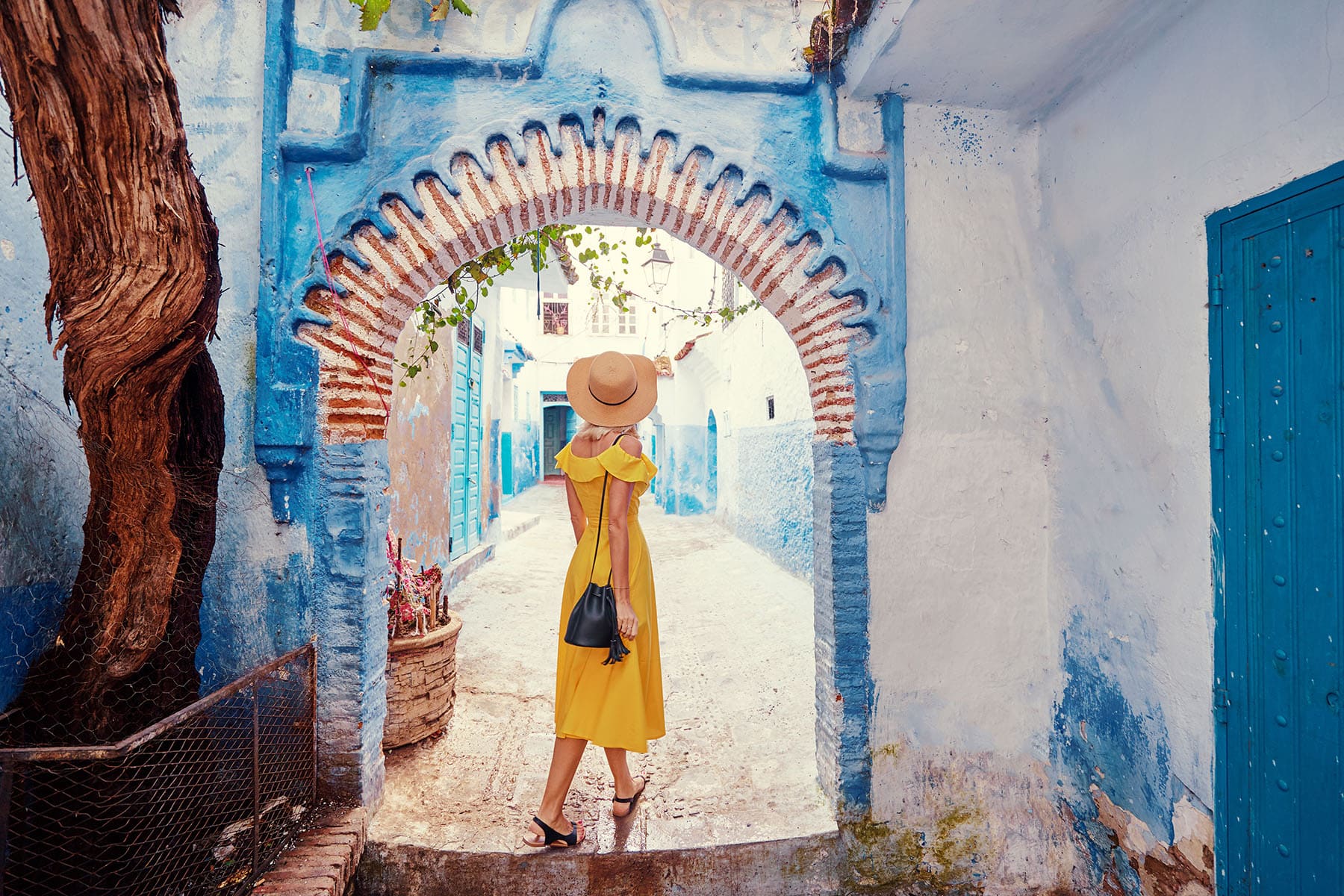
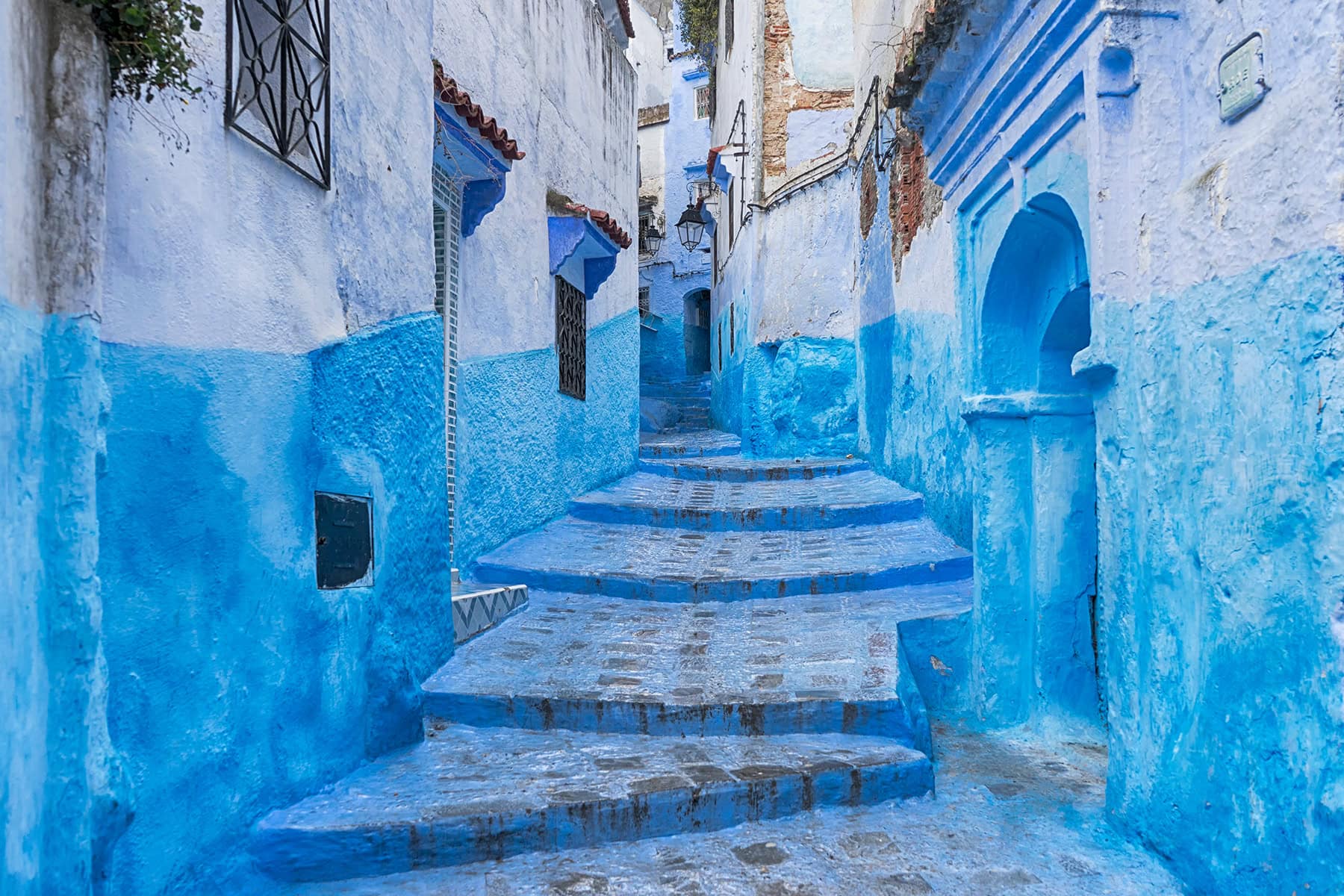


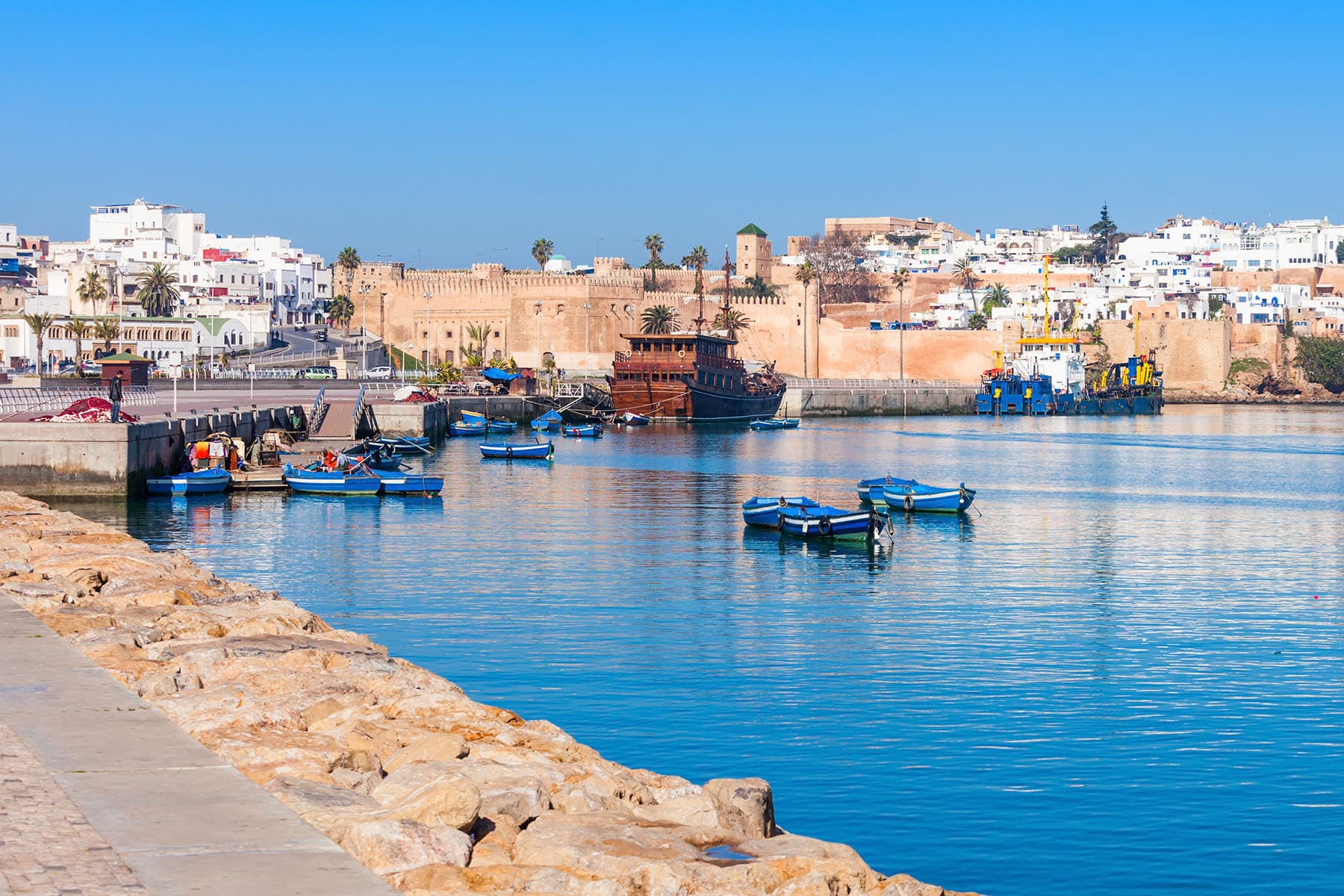
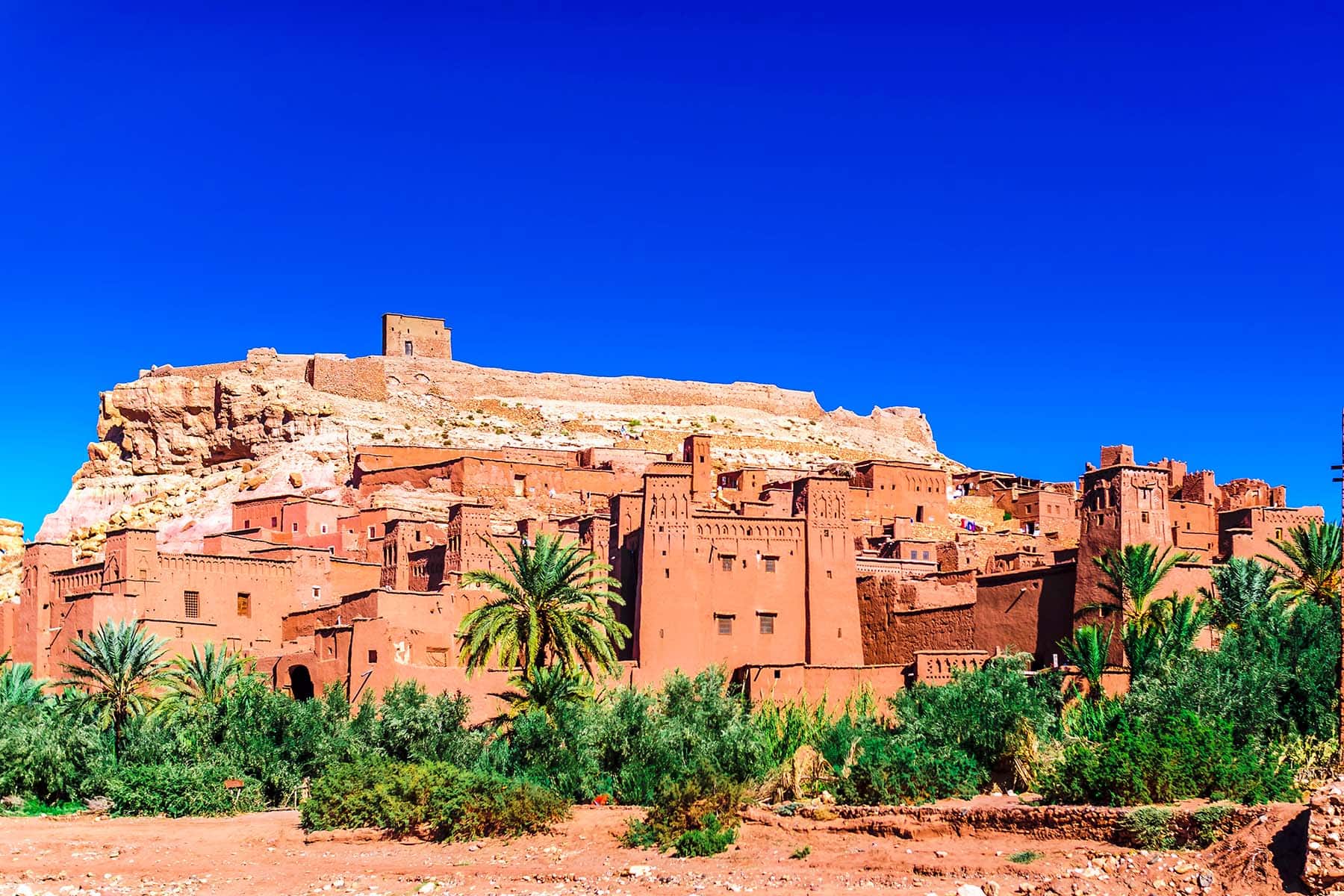
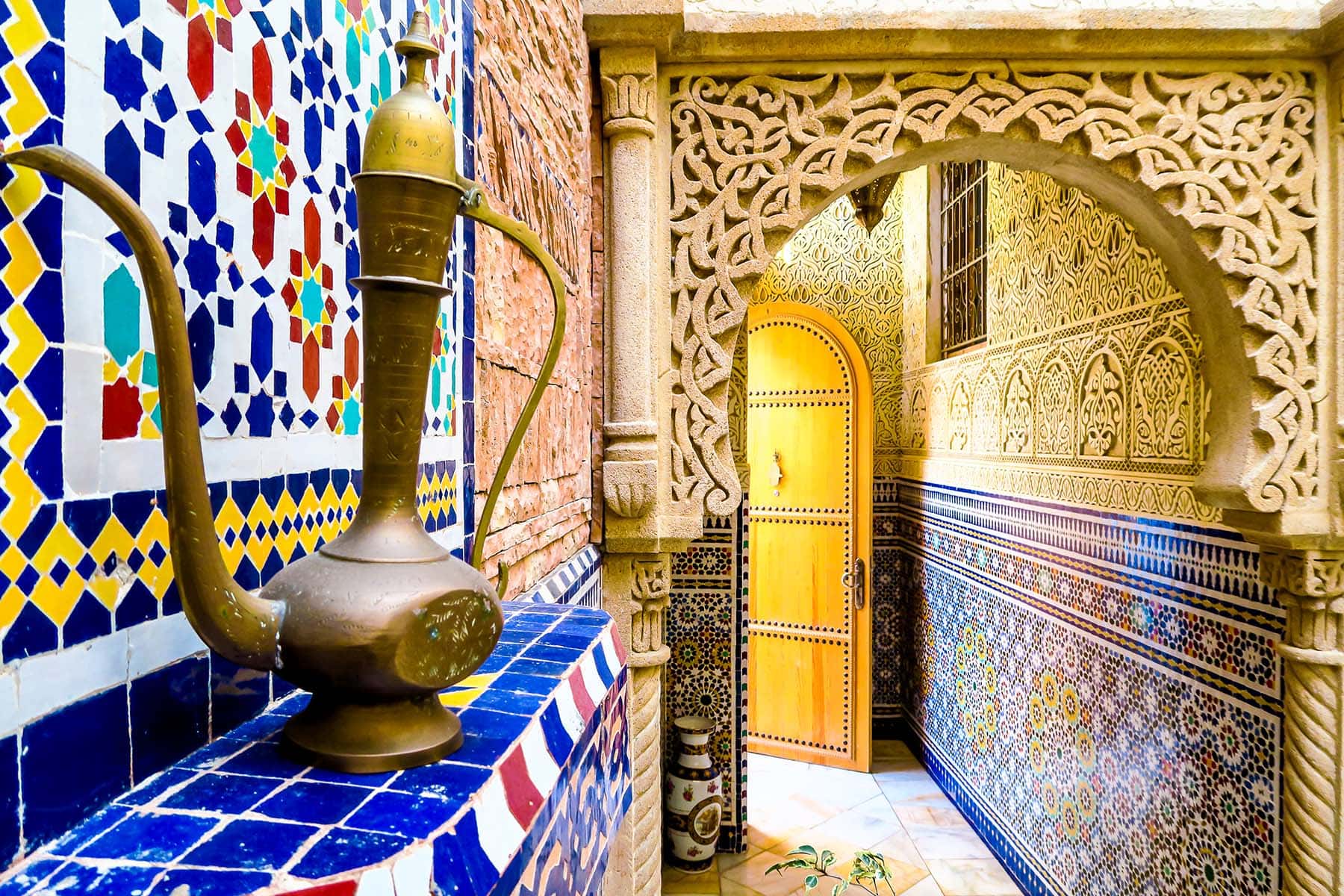


The culture of Morocco has been influenced by Muslims, Arabs, and Berbers as well as the French. Many languages are still spoken here today, and the heritage is clearly visible in both architecture and traditions. The country is generally dry and warm, but the climate varies around the mountains. Experience everything from scorching desert heat to snow-capped peaks in the Atlas Mountains. In luxurious surroundings at exclusive, handpicked hotels, we at Nygren & Lind Travel Agency tailor your trip to Morocco.
Morocco’s largest cities
Casablanca has the largest port in North Africa and is home to the Royal Moroccan Navy. The city features both Arabic neighborhoods and European architecture, and is known as the setting of one of the greatest classics in American film history – Casablanca, starring Bogart and Bergman. Rabat is the center of French culture and the capital, home to the royal family. Marrakech is often called “the pearl of the south” and is listed on UNESCO’s World Heritage List thanks to its old town, the medina.
Unique travel tips for trips to Morocco
Call us! We will help you put together a program tailored to you and your travel party.
Frequently asked questions about Morocco
What is the best time to visit Morocco?
Is there anything important to know about the culture in Morocco?
In Morocco, it’s important to respect the local culture and customs, especially as it is a Muslim country. Dress modestly, particularly in smaller towns and rural areas, and be mindful in religious settings, such as when visiting mosques and during Ramadan. Haggling is also part of the culture and is expected in markets and bazaars.
What type of food is served in Morocco?
Moroccan cuisine is a flavorful and aromatic blend of Arabic, Berber, and French influences. One of the most famous dishes is tagine, a slow-cooked stew with meat (often lamb or chicken), vegetables, dried fruits, and aromatic spices like saffron and cinnamon. Couscous, steamed semolina served with meat or vegetables, is also a classic. You’ll also find street food like briouats (fried pastries with filling) and harira, a spiced soup, especially popular during Ramadan. Meals often end with fresh mint tea, a symbol of Moroccan hospitality.
Map over Morocco
Interested?
We book flights, hotels and experiences.
Call us at 08-545 685 10, send an email at info@nygrenlind.se or use our contact form.
Contact us


